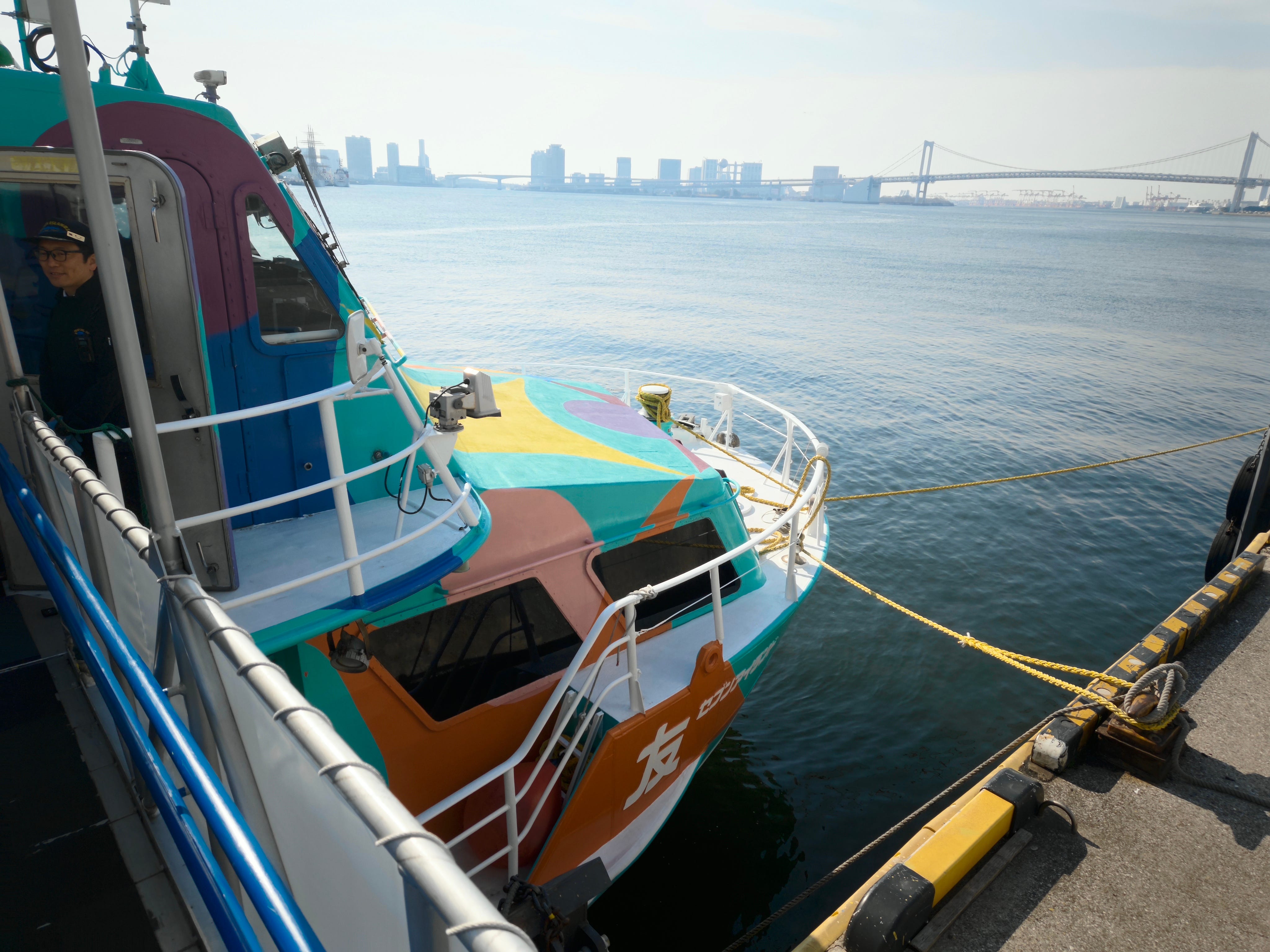
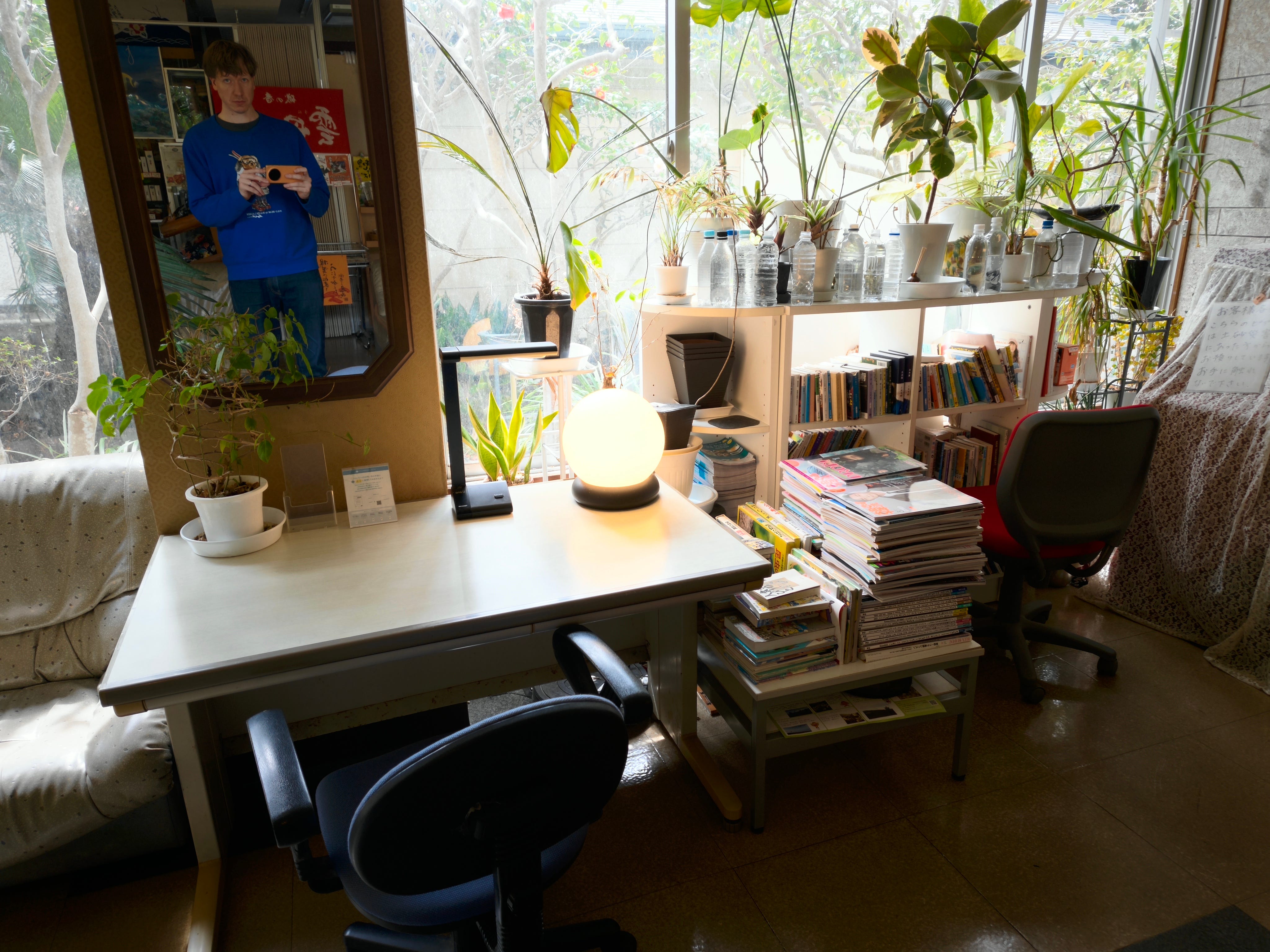
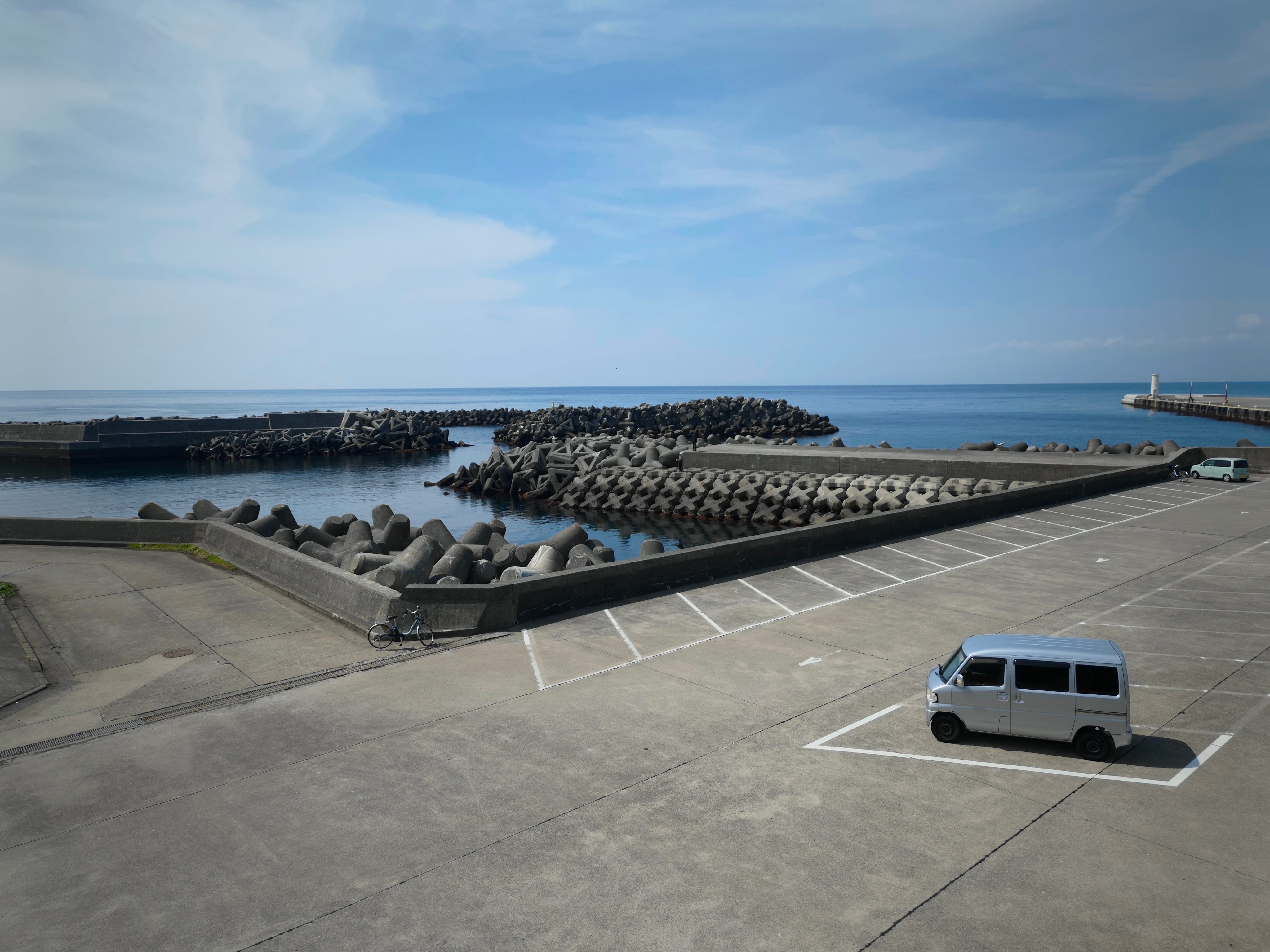
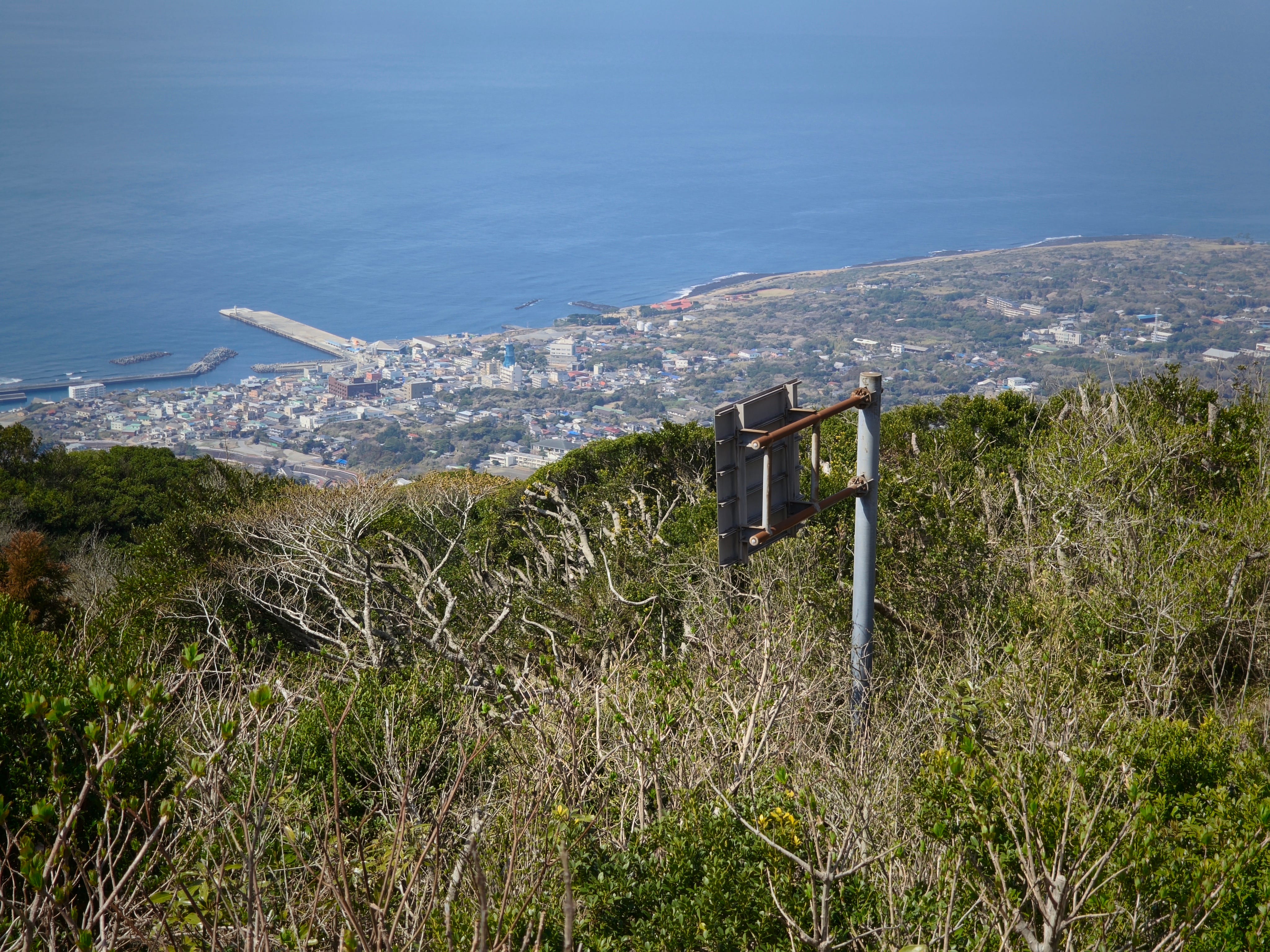
Continuing my run of taking high-end Chinese phones to remote Japanese islands, last weekend I went shooting around Izu Oshima with the Find N6, Oppo’s latest folding phone.
Izu Oshima is larger and closer to Tokyo than Hachijojima, where I took the Xiaomi 17 Ultra by Leica last month. That trip involved an overnight ferry, whereas this took a couple of hours on a much faster jet-propelled hydrofoil.
Izu Oshima is famous for a large active volcano called Mount Mihara, which most recently erupted in 1986. It’s also known for a diverse array of wildlife and tsubaki flowers, known as camellias in English; this past weekend marked the end of the annual Tsubaki Matsuri festival.
In this photo essay you’ll see the cooled lava formations on Mihara-yama, a lot of animals both at a well-kept zoo and around the island itself, a volcanic ash desert, a bunch of camellias and some pizza.
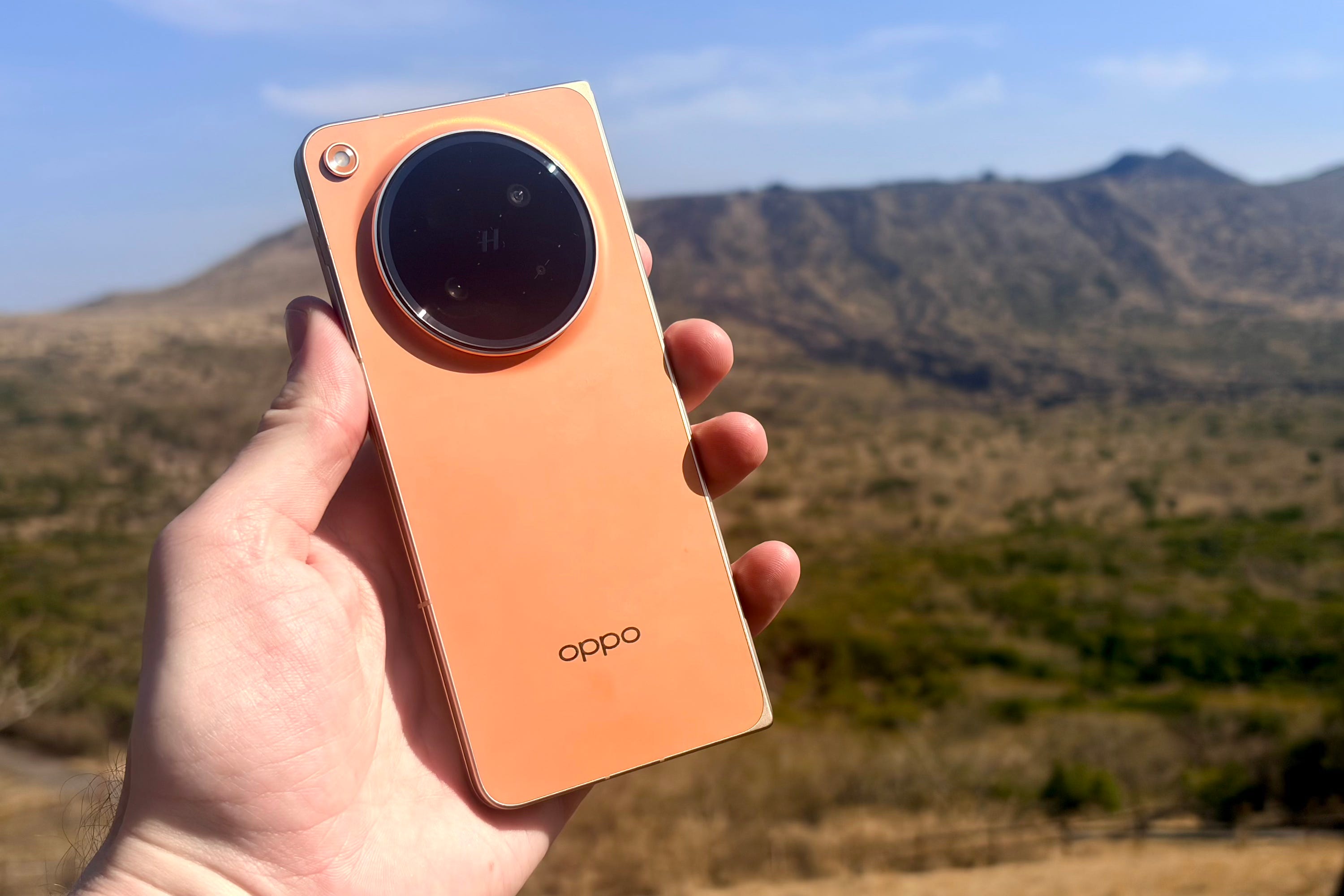
As a reminder, here’s what we’re dealing with on the Find N6 in terms of camera hardware:
21mm-equivalent lens with a 200-megapixel 1/1.56” sensor and f/1.8 aperture
70mm 3x telephoto lens with a 50-megapixel 1/2.75” sensor, f/2.7 aperture and telemacro close-focus capability
15mm-equivalent ultrawide with a 50-megapixel 1/2.75” sensor and f/2.0 aperture
The setup isn’t hugely different to last year’s Find N5, which I wrote about a year ago; the big changes are the higher resolution (to say the least) main sensor and the much-improved ultrawide, which is now in line with higher-end phones like the X9 Pro.
Also like the X9 Pro, the N6 also has an extra spectral sensor to help with colour rendition across the whole frame, and it makes use of Oppo’s Lumo image engine for processing.
I shot all these photos in the camera app’s Hasselblad Master mode, which I always feel gives much more natural results than the standard photo mode, and as ever they’re all unedited.