


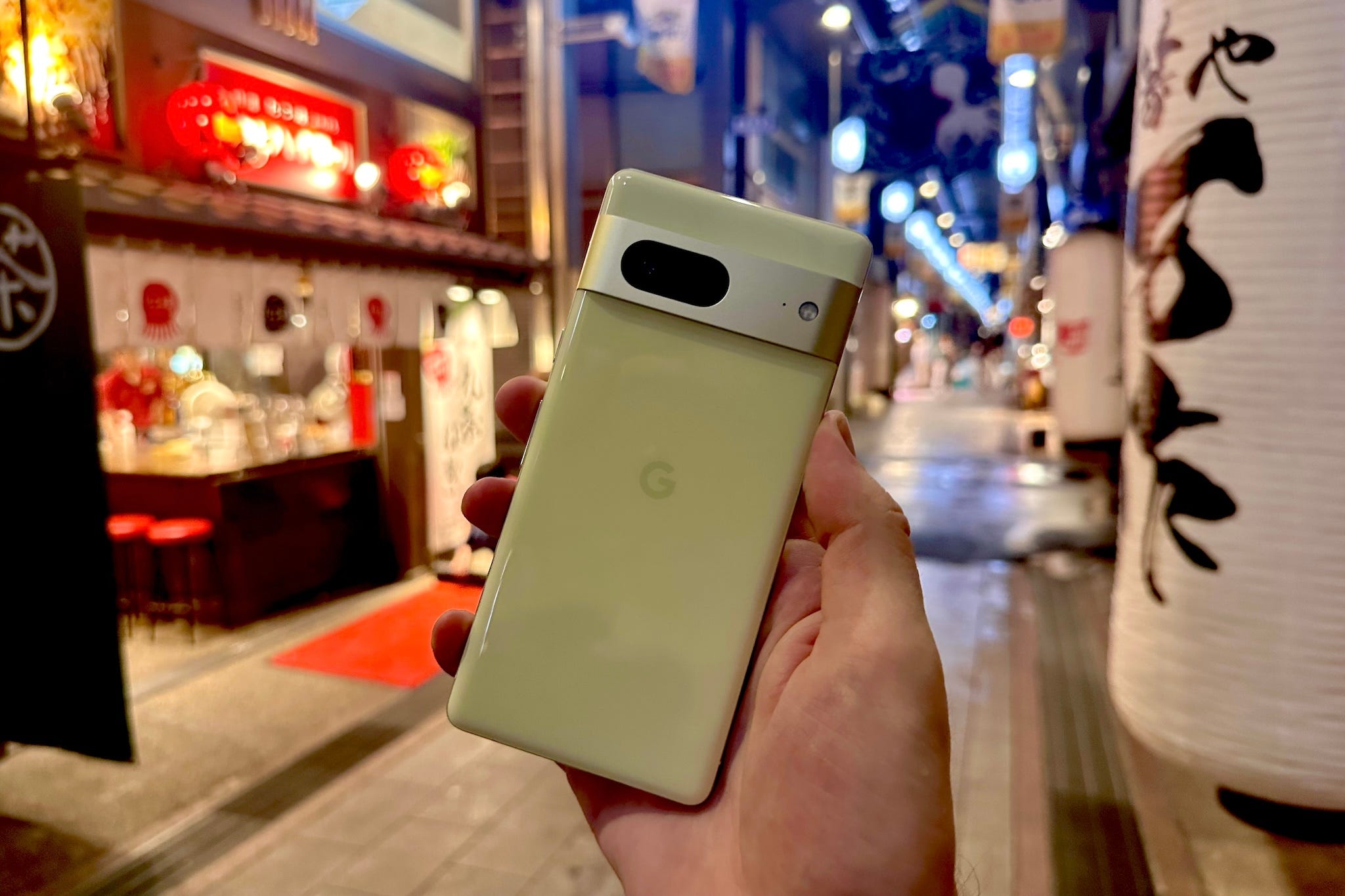
A new report suggests that not only was Google the most popular Android smartphone brand in Japan over the first quarter of 2023, Japan was the Pixel's biggest global market over those three months. Japan accounted for 34% of Pixel shipments, according to Counterpoint Research, while US shipments made up 31% of the total despite a nearly three times larger population.
Japan is the most iPhone-dominant market in the world and has a uniquely fragmented Android scene, so Google still only accounted for 9% of overall smartphone shipments that quarter. Still, Counterpoint estimates that Google's US market share was just 2% over the same period, which is where the Pixel was at in Japan a year before. That means the research suggests a 433% jump in year-on-year growth.
It's important to note that we're only talking about a single quarter here. But even this one report about a short period of success feels quite notable. The Pixel is a minor player everywhere else, including countries like the US where Google is a household name. Japan was famously one of the last major markets for Google to gain traction with its core search business. What makes it a good fit for the Pixel?
I have some ideas. But I also thought I'd tap into the experience of veteran tech journalist and consultant Nobuyuki Hayashi, who often goes by "Nobi". He's covered the Japanese tech industry since the early '90s and written several books, and I've often bumped into him at press events in Tokyo. There’s no-one who'd have a better idea of the domestic perception of Google and its smartphone business.
Nobi pointed to four key factors that he believes have helped the Pixel in Japan.
Massive amounts of TV advertising
I don't watch much Japanese TV, but I have seen a lot of Pixel video ads on billboards and the screens inside subway cars, and it's clear that Google is taking the marketing seriously.
Here's a TV spot for the Pixel 7A:
This is a great example of localised advertising. The ad stars popular Japanese YouTuber and comedian Fuwa-chan, demonstrating Pixel features like Magic Eraser in ways that are relevant to the audience. For example, it shows Fuwa-chan traveling to South Korea and using Live Translate to figure out that a shop sells cold noodles. The hashtag slogan at the end "Pixel ni omakase" ("Leave it to Pixel") is catchy and effective.
It's often said that Western companies find it difficult to market their products in Japan because consumers prefer domestic products. That's really not true, in my experience — the companies just need to meet consumers where they're at. Microsoft has found success with the Surface in Japan, for example, despite consistently failing to make people here care about the Xbox. Google is going about it the right way; its local Pixel marketing is fun, informative, and (to Nobi's point) ubiquitous, presenting the product as something genuinely useful and relevant to the audience.
Still, it's not like Google hasn't been investing in marketing elsewhere. It has huge tie-ins with the NBA, for example, and that hasn't made it a mainstream product in the US. What other factors could explain its breakthrough in Japan?
Japanese consumers prefer famous Western brands over Chinese brands
This was Nobi's next point, and will require a little explanation on how the Japanese smartphone market has historically been structured.
During the flip phone days, the overwhelming majority of models were made by domestic companies like Sharp, Fujitsu, and Toshiba and sold by carriers NTT Docomo, KDDI, and SoftBank, which customised the software and obscured the manufacturers' branding. Once the iPhone arrived, those companies all started making Android phones and continued to sell them through carriers. You'd get the occasional model from the likes of HTC, and Docomo ditched Samsung's branding to sell phones simply as "Galaxy", but carrier lineups were mostly made up of Japanese-made Android phones.
SIM-free phones weren't common until quite recently in Japan, after the government intervened to force carriers to unlock devices on customers' requests. This led to the rise of MVNOs, low-cost mobile operators that lease network access from the major carriers, and in turn opened the door for phone manufacturers to sell unlocked devices upfront. As regular readers of my work will know, this market dynamic is generally what leads to the dominance of Chinese smartphone brands, because it's near-impossible to compete with them on quality and specs for the price.
Two or three years ago, that's exactly what you started to see. Xiaomi and Oppo made inroads into the low-to-mid-range sector and found success by targeting MVNO customers with affordable, solid devices. That's exactly why Google is well-placed with its cheaper phones like the 6A and 7A.
As I mentioned earlier, Japanese consumers are receptive to Western brands when there's a good product-market fit. While Chinese phone brands have sold well among people shopping for specs against price, Google has more cachet and mainstream presence, as well as the ability to market the Pixel as a differentiated, localised product.
iPhone has become too expensive to buy because of the weak yen
The Japanese yen has collapsed over the past year-plus. One US dollar bought about 103 yen at the beginning of 2022; today it gets you 138, and briefly last year the yen sunk below 150 to the dollar.
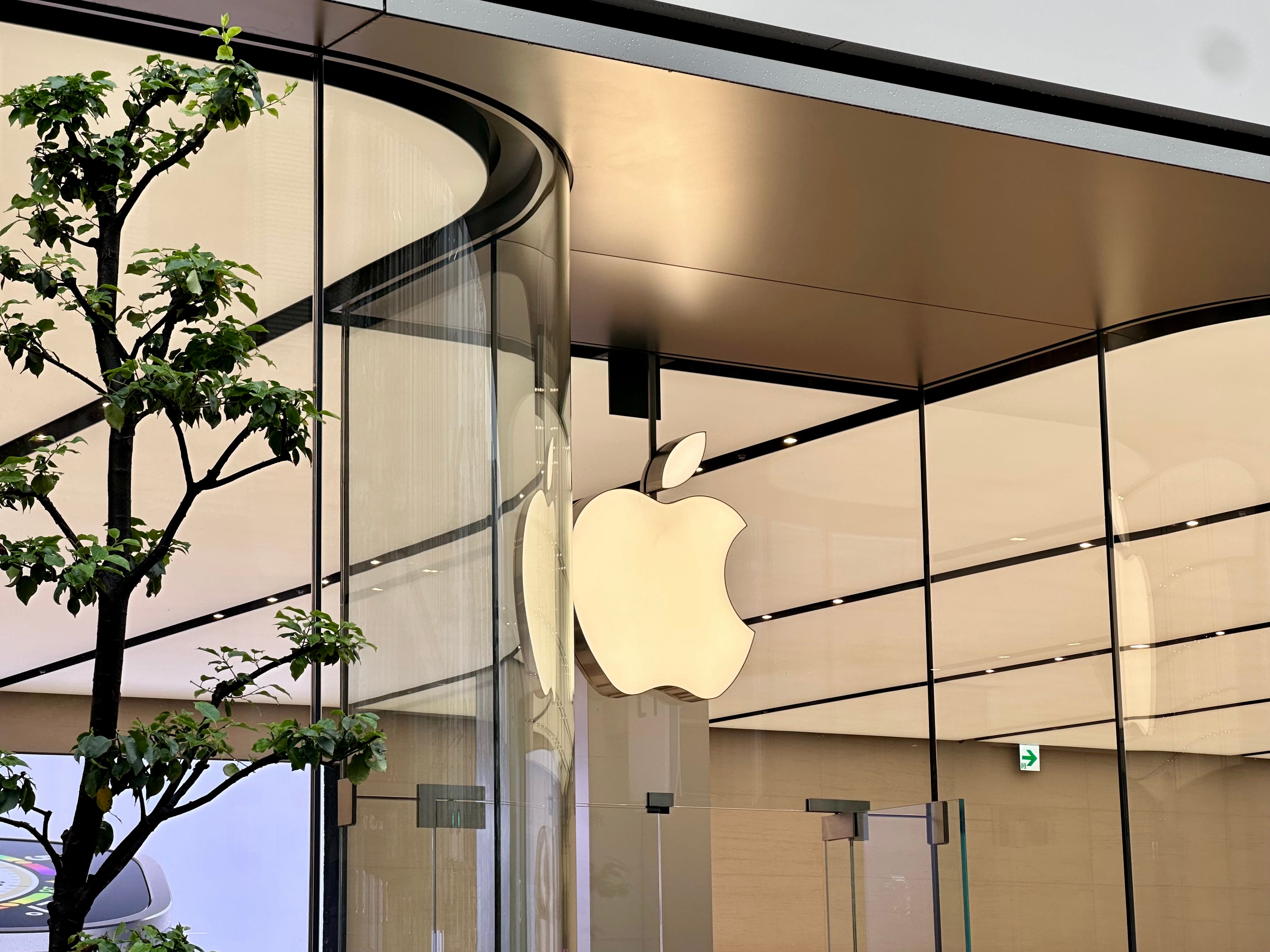
Foreign companies have adapted their Japanese pricing accordingly. An iPhone 14 starts at 149,800 yen including sales tax, which today comes to about $1,084. The starting price in the US is $999 without tax, so the Japanese conversion isn't unreasonable. Still, the iPhone 13 Pro launched at 122,800 yen, which shows how significantly the price of Apple products has risen over the past year.
Google has bumped its local pricing as well, but there are a few differences. Google regularly puts its phones on steep sale on its own store and offers strong trade-in value. It also has better options than Apple at lower price points. The new entry-level model, the 7A, costs 62,800 yen here with tax — the US price is $499 without. 62,800 yen is the exact same price as the iPhone SE, which is essentially an iPhone 8 with a modern processor. It's no wonder some Japanese consumers would feel priced out of the iPhone lately.
And for those who do, the Pixel is the most iPhone-like Android phone. It's made by a US company who also develops the operating system, and the focus is on a sleek software experience. This is equally true of the cheapest models it sells, which mostly cut corners on screen quality and camera setup. Every Pixel 7 phone has the same Tensor G2 processor and virtually the same features as all the others. You get a more up-to-date product than if you spent the same money on an older iPhone Apple is still selling.
Do most Japanese consumers think this way? No. An iPhone is still an iPhone, and Apple's dominance here is stronger than anywhere else. But pricing issues will certainly push some people to think that way, and Google will be an obvious beneficiary.
Strong push from the phone carriers (especially after iPhone became expensive)
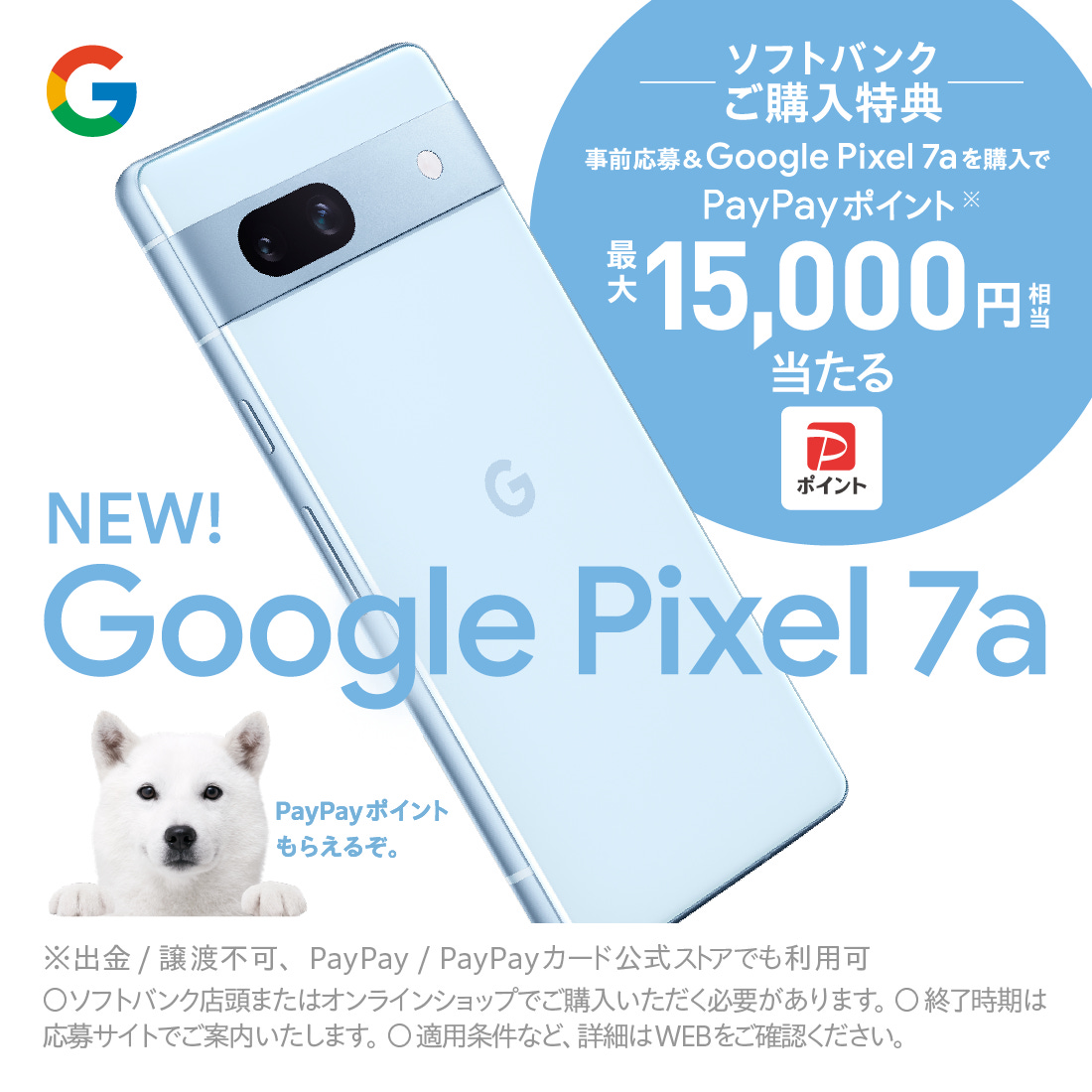
Nobi points out that not only is an unlocked Pixel a solid option for MNVO customers, Japanese carriers are also pushing the phones as well. It's true; take a look at SoftBank's mobile homepage, for example.
The lead banner is for the iPhone, but the next two slides are for Pixels. More notably, Google gets its own dedicated section below the iPhone. In SoftBank parlance, it carries iPhones, Google Pixels, and Smartphones — the latter category is mostly made up of Sony and Sharp models, with the occasional Oppo and Xiaomi option as well.
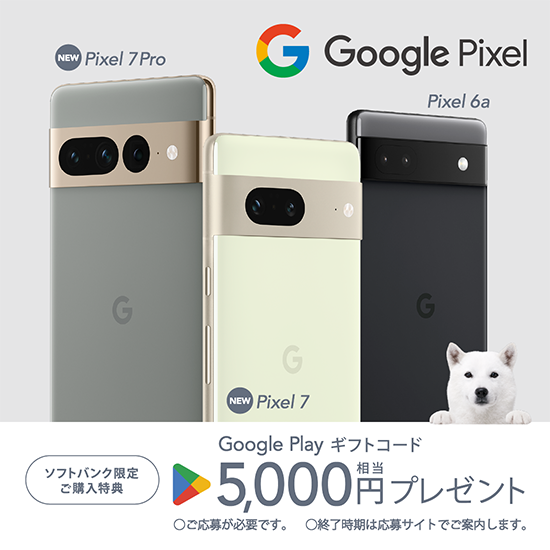
This is significant — SoftBank is actively suggesting that Pixel phones are a whole other deal to the rest of the Android ecosystem, as well as advertising offers for free Google Play gift cards. Docomo doesn't quite do the same thing, because it lists each brand separately, but it does give the Pixel brand top billing above its more extensive Galaxy lineup.
It's not necessarily surprising that Japanese carriers would push the Pixel as a premium brand today; as I laid out above, it makes sense for an iPhone-first market. But it does mark a big shift from the carriers' longtime strategy, which previously rested on customising phone software as a vessel for proprietary services. Google's Nexus and Pixel phones were rarely even available in Japan until the Pixel 3, since their stripped-down approach to software turned off carriers.
To add to Nobi's points, I think some other factors are worth considering.
Screen size: Counterpoint's report mentions this as a factor, and I fully believe it based on the number of iPhone 12 and 13 minis I see in use every day. The 6.1-inch Pixel 6A and 7A are a little bigger than an iPhone mini, but they were both new products with up-to-date components when released at a low price.
That's a good sales pitch for Japan, which might be the last remaining major mobile market where smaller phones are viable among the mainstream. (If anything, large screens are even more popular in other Asian countries than the West.)
The Pixel Recorder app: I may over-index on this a little as someone who uses it for interviews, but the ability to transcribe in real time is incredible and it works very well in Japanese. I just used my Pixel to cover a show over the long weekend and a lot of Japanese interviewees were blown away by how their responses just appeared on screen as they were speaking.
That's really the main point here — Google's Japanese-language services are extremely good and even further ahead of Apple's than they are in English. If you've been using an iPhone the whole time here, you might well have given up on voice or language interaction altogether. But when companies put in the work to make products feel native to their environment, people tend to appreciate it.
No iMessage lock-in: This is true of both every Android phone in Japan and every country in the world except the US, of course, but it bears repeating. No-one cares about iMessage in Japan because everyone uses Line, so that's one less barrier to switching away from the iPhone, which makes Google a natural landing spot for people making the jump.
An extra factor in Japan is that SMS was never really a thing, neutering iMessage's advantage in the first place. People moved from mobile email on flip phones to mobile email on smartphones to chat apps on smartphones relatively seamlessly.
(I recently wrote a brief piece about Line for Rest of World; its global ambitions didn't really work out but it remains dominant in Japan and popular in Thailand and Taiwan.)
I'm not sure whether Google will see sustained success with the Pixel in Japan. I'm not optimistic on its ability to execute in other countries, and in the US in particular it really has had very little to show for seven generations of phones. Google simply hasn't had an answer for Samsung at any point, despite what ought to be a software advantage.
I do think, though, that Google is doing a lot of the right things here in Japan. Apple isn't going to be overthrown any time soon, but given this country's unique dynamics, Google could actually emerge as its strongest competitor. The Pixel has always been a strong product in search of the right market, and Japan may well turn out to be the best example of that.